
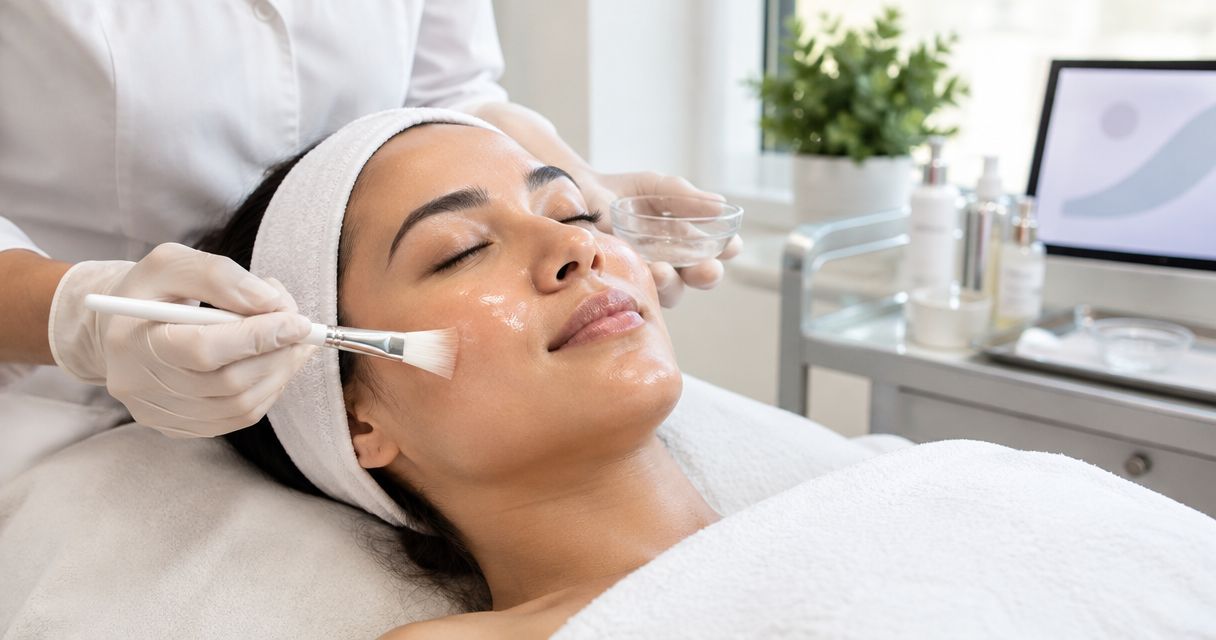
Best overall starting discussion: a superficial glycolic peel for suitable surface pigmentation. Best for dry skin: lactic acid; for acne-related marks: salicylic acid; for a cautious superficial approach: mandelic acid. The best chemical peel for hyperpigmentation depends on what caused the discoloration—not which peel makes you shed the most.
- A chemical peel for hyperpigmentation should follow pigment assessment, not a strength-first shopping list.
- Happy Peel from DermaplanePro blends several acids; GlyMed Plus’s 5-Berry Peel falls under TCA. Both require assessment.
- Brittdaesthetics prioritizes a personalized skin plan, with Glo2 as Britt’s typical first treatment for most clients.
- Daily sun protection and thoughtful aftercare matter as much as selecting the peel.
Why this matters
If you're looking at brown marks in the mirror and wondering whether you need a peel, I want you to start with a different question: what are those marks? Sun spots, melasma, and marks left after acne don't behave the same way. A treatment that creates too much inflammation can leave you with more discoloration instead of less.
At Brittdaesthetics, my starting point is your skin today, your recent skincare, and what you can comfortably maintain. Brittdaesthetics is best for Mooresville and Lake Norman clients seeking a personalized skin plan rather than a one-visit promise. You don't need a perfect routine to begin!
For this 2026 guide, I'm comparing peel categories—not prescribing an acid or confirming that every category listed is a separate service in my studio. My two peel options are Happy Peel from DermaplanePro, a blended formula spanning several acid categories, and the 5-Berry Peel from GlyMed Plus, which falls under TCA. Your first appointment should establish suitability before treatment strength enters the conversation.
What makes the best chemical peel for hyperpigmentation?
I use these questions to make the decision useful:
- Pigment diagnosis: Is the discoloration related to sun exposure, acne, melasma, or something that needs medical assessment?
- Inflammation risk: How does your skin respond to irritation, and have previous treatments left dark marks?
- Formula and depth: Acid type matters, but concentration, formulation, application, and contact time also affect the treatment.
- Current skin condition: Active irritation, recent exfoliation, medications, and a compromised skin barrier change the plan.
- Recovery fit: Can you follow the actual preparation and aftercare instructions without adding extra exfoliation?
- Ongoing protection: Are you ready to protect the results from additional sun exposure?
A stronger peel isn't automatically a better pigment treatment. The useful treatment is the one that addresses the concern without creating unnecessary inflammation.
“Do not peel it. Don't touch it. Let it do its thing.”
Chemical peels at a glance
These are use-case matches, not a universal strength ranking. Every option requires professional selection, and the acid name alone doesn't tell you the treatment depth.
| Peel category | Best for | Standout characteristic | Key limitation |
|---|---|---|---|
| Superficial glycolic acid | Suitable surface pigmentation with uneven texture | Alpha-hydroxy acid used for superficial exfoliation | Irritation can worsen pigmentation |
| Lactic acid | Dry skin with suitable superficial discoloration | Alpha-hydroxy acid with humectant properties | Not automatically comfortable or suitable for reactive skin |
| Salicylic acid | Acne-prone skin with post-breakout marks | Oil-soluble acid used for acne and superficial exfoliation | Dryness and irritation can complicate recovery |
| Mandelic acid | A cautious superficial approach for suitable skin | Larger-molecule alpha-hydroxy acid | Less evidence for pigment treatment than more established options |
| Trichloroacetic acid, or TCA | Selected pigment concerns needing professional depth selection | Includes GlyMed Plus’s professional 5-Berry formula | Recovery and risk depend on the specific formula and application |
1. Glycolic acid: best peel discussion for surface pigment and texture
A superficial glycolic peel exfoliates the outer skin layers. It's an established option in professional treatment plans for uneven pigmentation and texture, but it doesn't treat every kind or depth of discoloration.
For someone with suitable surface pigment and a stable skin barrier, this is a reasonable first peel category to discuss. That isn't the same as saying every first-time client needs glycolic acid.
Glycolic acid pros:
- Addresses superficial exfoliation and uneven texture together.
- Has an established role in professional pigment treatment.
- Can fit a staged plan rather than an aggressive single treatment.
Glycolic acid cons:
- Can cause burning, irritation, and post-inflammatory hyperpigmentation.
- Doesn't resolve the hormonal and light-related drivers of melasma.
- Requires formula-specific preparation and aftercare.
Best for: Professionally assessed superficial pigmentation with accompanying roughness or uneven texture.
Verdict: Hold until the pigment and your irritation risk have been assessed. Choose the treatment plan, not a glycolic percentage advertised online.
2. Lactic acid: best peel discussion for dry skin
Lactic acid is an alpha-hydroxy acid with humectant properties, meaning it can help attract water. That makes it relevant when dryness accompanies superficial discoloration, although the complete peel formula determines how the treatment behaves.
I wouldn't interpret dry skin as permission to exfoliate immediately. Tightness, stinging, or flaking can signal that your barrier needs attention first.
Lactic acid pros:
- Combines exfoliation with an ingredient that has humectant properties.
- Offers another superficial option when dryness influences treatment selection.
- Can be considered within a gradual professional plan.
Lactic acid cons:
- Still creates a risk of irritation and pigment changes.
- Doesn't replace barrier care or daily sun protection.
- Isn't automatically suitable for sensitive skin.
Best for: Dry skin with suitable superficial discoloration and no active irritation.
Verdict: Wait if your skin currently stings or flakes. A comfortable baseline matters more than beginning a peel on a particular date.
3. Salicylic acid: best peel discussion for acne-related marks
Salicylic acid is oil-soluble and is used in acne care as well as superficial chemical peeling. It's relevant when the concern includes clogged pores, breakouts, and the brown marks those breakouts leave behind.
Those marks are post-inflammatory hyperpigmentation, not necessarily acne scars. A peel aimed at discoloration doesn't automatically address indented scarring.
Salicylic acid pros:
- Fits discussions where acne and discoloration overlap.
- Provides superficial exfoliation in an acne-focused plan.
- Helps keep treatment selection tied to the cause of new marks.
Salicylic acid cons:
- Can increase dryness and irritation, particularly alongside other active products.
- Requires screening for relevant allergies and medical considerations.
- Doesn't prevent future marks if ongoing acne remains uncontrolled.
Best for: Acne-prone skin with professionally assessed post-breakout pigmentation.
Verdict: Hold until your acne products and medications have been reviewed. Treating yesterday's marks while irritating today's breakouts isn't the goal.
4. Mandelic acid: best discussion for a cautious superficial approach
Mandelic acid has a larger molecular size than glycolic acid. It's often considered when a professional wants a more cautious superficial exfoliation approach, but that characteristic doesn't make every mandelic formula mild.
The evidence base for pigment treatment is smaller than for more established approaches. I'd keep expectations specific rather than presenting mandelic acid as a universal answer for sensitive or deeper skin tones.
Check out Happy Peel from DermaplanePro on our menu!
My Happy Peel contains mandelic acid alongside lactic and salicylic acids—a blended option designed for use after dermaplaning. Let's talk about whether it's a fit for your skin!
Happy Peel is not a mandelic-only peel. The manufacturer also lists retinol, azelaic acid and kojic acid. It spans several acid categories rather than falling under TCA. The manufacturer excludes pregnant and breastfeeding clients and lists aspirin allergy and rosacea among its contraindications.
Mandelic acid pros:
- Provides another alpha-hydroxy acid option for individualized selection.
- Supports a superficial rather than depth-first treatment discussion.
- Keeps gradual exfoliation among the available considerations.
Mandelic acid cons:
- Has a more limited pigment-treatment evidence base.
- Can still cause irritation and post-inflammatory discoloration.
- Doesn't make skin tone or sensitivity screening optional.
Best for: Suitable clients whose professional assessment favors a cautious superficial approach.
Verdict: Hold for individual selection. Don't choose mandelic acid solely because someone calls it gentle.
5. TCA: best reserved for professional treatment selection
Trichloroacetic acid peels vary substantially in depth. TCA isn't one standardized experience, and the acid name doesn't tell you how much recovery or risk a particular application involves.
Check out the 5-Berry TCA Peel from GlyMed Plus on our menu!
My 5-Berry Peel falls under the TCA category. Let's review your skin and treatment history to see whether it's a fit for your personalized skin plan!
The manufacturer identifies its professional formula as 5-Berry Solution with 7% TCA. That makes it a specific TCA-based option—not a reason to assume that my treatment is equivalent to every TCA peel or a deep peel.
Deeper treatment increases concerns about prolonged redness, infection, scarring, and unwanted pigment changes. Those general TCA risks vary with the actual formula, depth and application; they aren't a description of every 5-Berry appointment.
TCA pros:
- Offers professional options across different treatment depths.
- Can address selected pigmentation and texture concerns.
- Allows treatment selection beyond superficial alpha-hydroxy acid categories.
TCA cons:
- Deeper applications carry greater complication and recovery demands.
- Requires careful attention to skin tone and pigment-change risk.
- Isn't an appropriate DIY escalation when a lighter treatment disappoints.
Best for: Selected concerns assessed by a qualified professional with appropriate training for the intended depth.
Verdict: Skip DIY TCA and strength-first selection. A stubborn spot needs assessment, not an automatic jump to a deeper peel.
How I organized these recommendations
This 2026 comparison prioritizes pigment type, inflammation risk, treatment depth, and realistic recovery—not maximum peeling. Glycolic acid leads the general surface-pigment discussion; the other categories occupy different use cases rather than competing for the same client. My Happy Peel is a blended formula containing lactic, salicylic and mandelic acids; my 5-Berry Peel is TCA-based.
The ranking doesn't represent a head-to-head studio trial or a promise of results. No acid name replaces an assessment of your skin, the exact formula, and the person performing the treatment.
Which treatment should you choose first?
My typical first treatment for most clients is Glo2, not an automatic chemical peel. Through The Glo Collection, I can introduce treatment within a personalized plan; that doesn't mean Glo2 replaces every pigment-focused procedure or treats every brown spot.
Glo2 sensations vary by person and OxyPod strength, from light, bubbly tingling to a very active sensation. I recommend Glo2 every 4 weeks for most clients, individualized as needed. At Brittdaesthetics, chemical peel for hyperpigmentation questions belong in that broader conversation about consistency and suitability.
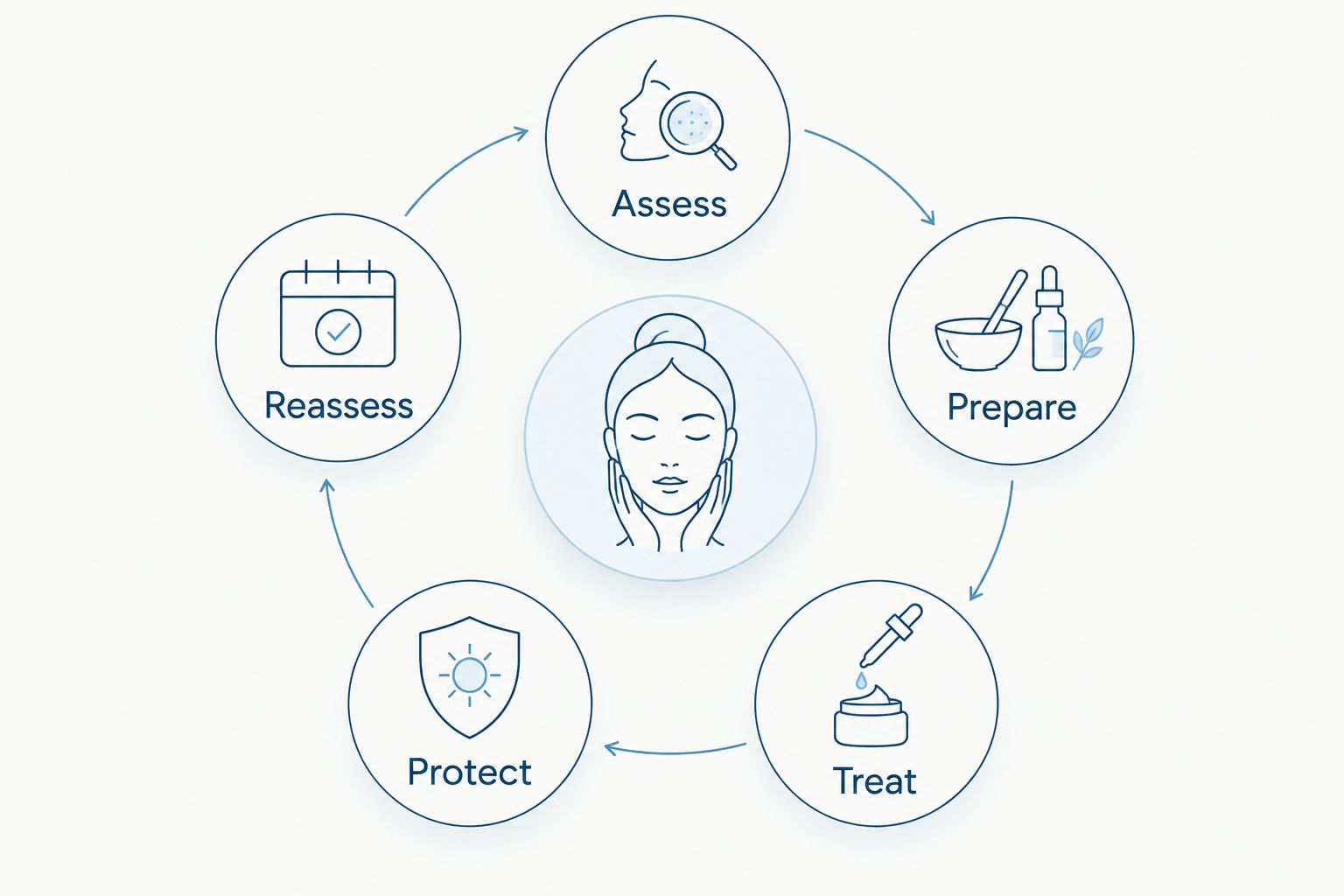
For your 2026 starting plan, keep the sequence simple:
- Assess: Identify the concern and review skin history.
- Prepare: Follow the booked treatment's instructions and disclose active products.
- Treat: Choose the appropriate treatment rather than chasing intensity.
- Protect: Support recovery and limit additional sun exposure.
- Reassess: Review tolerance and progress before changing the plan.
You don't need to arrive with everything figured out. Bring your questions and your current product list, and let the first conversation establish a sensible starting point.
Prepare kindly, then protect your recovery
Before a peel in 2026, tell your provider about retinol, prescription retinoids, exfoliating acids, acne medications, and recent treatments. Continuing retinol before an intensive treatment can add irritation. Follow the booked treatment's published pause instructions; consult your prescriber before changing prescription use.
Please don't add an aggressive scrub to get your skin ready. Gently remove makeup before bed, avoid picking acne, and tell your provider if your skin feels irritated rather than trying to push through.
After treatment, follow the specific aftercare provided. A lot of peeling doesn't equal progress! Visible shedding varies by treatment and by person; little or no peeling doesn't automatically mean your treatment failed. Let your skin recover without trying to force more peeling. Don't pull peeling skin or restart strong active products ahead of instructions. For routine protection, the American Academy of Dermatology recommends broad-spectrum, water-resistant SPF 30 or higher, with reapplication every 2 hours outdoors and after swimming or sweating; freshly treated skin also needs the provider's sun-avoidance instructions.
Pregnant clients need medical clearance from their pregnancy care provider before Glo2. Clearance doesn't override screening for individual treatment components, and peel suitability requires its own review.
FAQ
What's the best chemical peel for hyperpigmentation?
There isn't one best peel for every type of hyperpigmentation. Superficial glycolic acid is an established option for suitable surface pigment, while acne, dryness, sensitivity, and pigment depth change the selection.
Will a chemical peel remove my sun spots completely?
A chemical peel doesn't guarantee complete sun-spot removal. Have the spots assessed first, especially if one is new, changing, bleeding, or different from your other marks.
Can chemical peels make dark spots worse?
Yes, irritation from a chemical peel can cause post-inflammatory hyperpigmentation. Skin history, treatment depth, preparation, and aftercare all matter when managing that risk.
Is a chemical peel a good first appointment at Brittdaesthetics?
A peel isn't the automatic first treatment at Brittdaesthetics. Britt typically starts most clients with Glo2 and individualizes the plan according to skin condition, goals, and suitability.
Should I stop retinol before a chemical peel?
Follow the booked peel's published retinoid instructions rather than a universal pause interval. Disclose recent use, and consult your prescriber before changing a prescription retinoid.
Can I treat melasma with a chemical peel?
Chemical peels can be part of selected melasma treatment plans, but they aren't a cure. Melasma needs careful management because irritation and light exposure can worsen discoloration.
How should I choose a pigment treatment in 2026?
Start with pigment assessment, a review of your skincare and medications, and realistic recovery requirements. Choose a plan you can maintain rather than the strongest treatment name.